
Hurricane Sally made landfall on September 16, 2020, just west of Pensacola. Image credit: NOAA
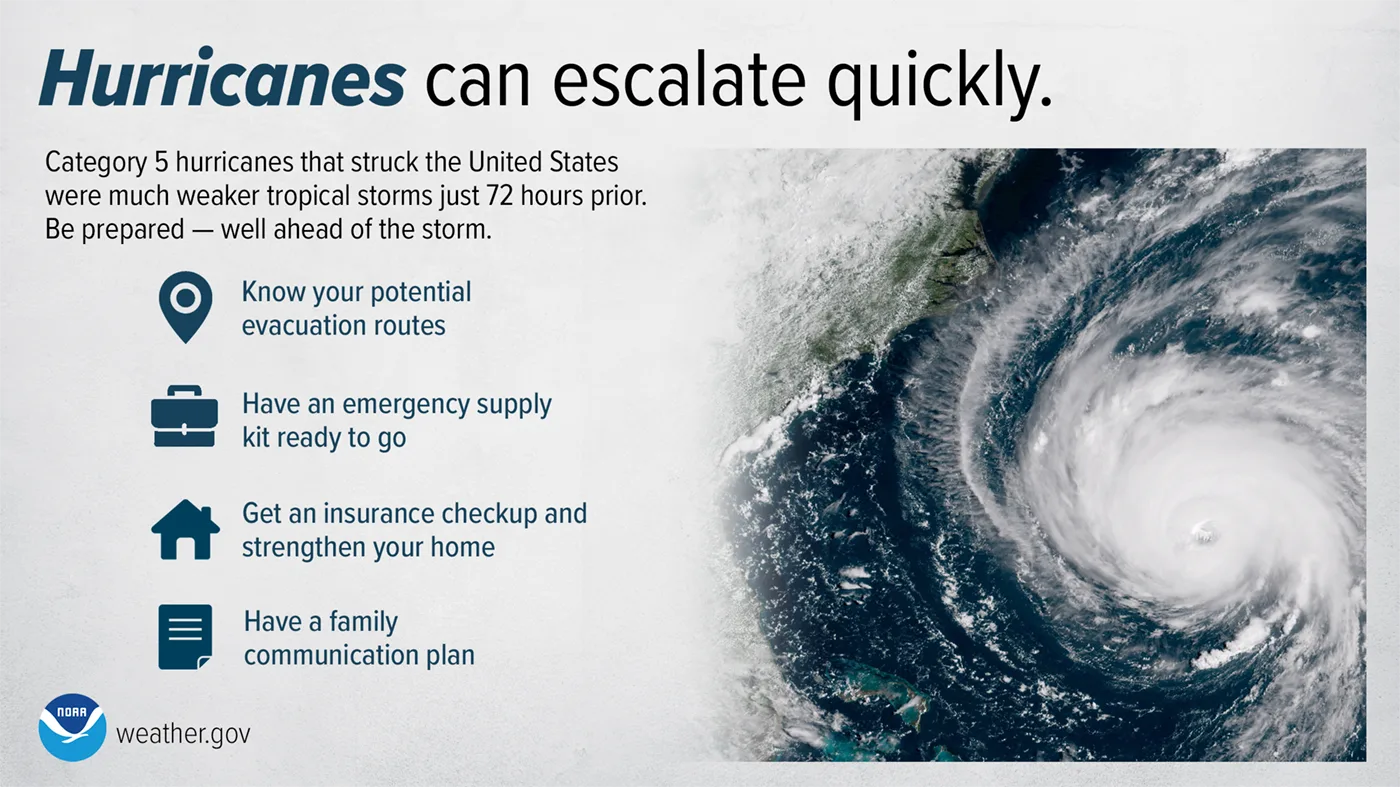
One of the tradeoffs of living in our part of the world is, unfortunately, hurricanes. While we’ve been lucky the past few years and haven’t had to deal with any major storms, we always encourage everyone to start the season as if one is going to happen.
Hurricane season officially runs June 1 through the end of November. Storms don’t have calendars, however, so we all need to be ready for the 2026 hurricane season from here on out.
There are some things you can do as a patient to make sure you’re ready for hurricane season, and a few other general safety tips that we always like to share. Let’s take a look.
Know where the storms are
There’s no shortage of ways to get weather information. But we always like starting at the source. The National Hurricane Center is where you should start. Keep an eye on the “cone of uncertainty” and remember that storms have a mind of their own.
We also recommend not stressing too much about “spaghetti models.” Just pay attention to the official tracks and forecasts.
Know where to get news
There’s also no shortage of information in the age of the internet and social media. The problem is knowing whether the source has actually vetted the info, or if it’s just someone posting something they’ve “heard.”
We also recommend sticking with official news sources when it comes to things like closures, warnings and evacuation notices.
Local government:
Local news:
Know when your appointments are
If a hurricane enters the Gulf and looks like it might threaten the Pensacola area, we’ll have to start our own preparations to make sure our facilities and staff are safe, too. That may mean adjusting appointments or closing locations ahead of the storm.
And that’s why now is a good time to review any upcoming appointments. The easiest way to do that is through the Healow app, which is a direct link to your provider and your health records. While we’ll contact you if a storm heads our way and we need to make changes to our schedule, it’s always good to be proactive about your own calendar, in case you know you’ll plan to evacuate.
The Healow app is available for Android and on iOS. You also can check your upcoming appointments via the online patient portal.
Review your medications
Keeping up with your prescription refills is especially important during hurricane season. We would expect a rush to refill medications ahead of a storm making landfall. And while we would attempt to open our pharmacies as soon as possible after a storm, it could take days or even weeks, depending on the state of the post-storm landscape.
You can see your list of medications inside the Healow app, and also request refills. It’s possible that your provider may have to authorize a refill — or adjust the refill schedule to ensure you have your medication after a storm. In that case please call your provider or send a message through the Healow app.
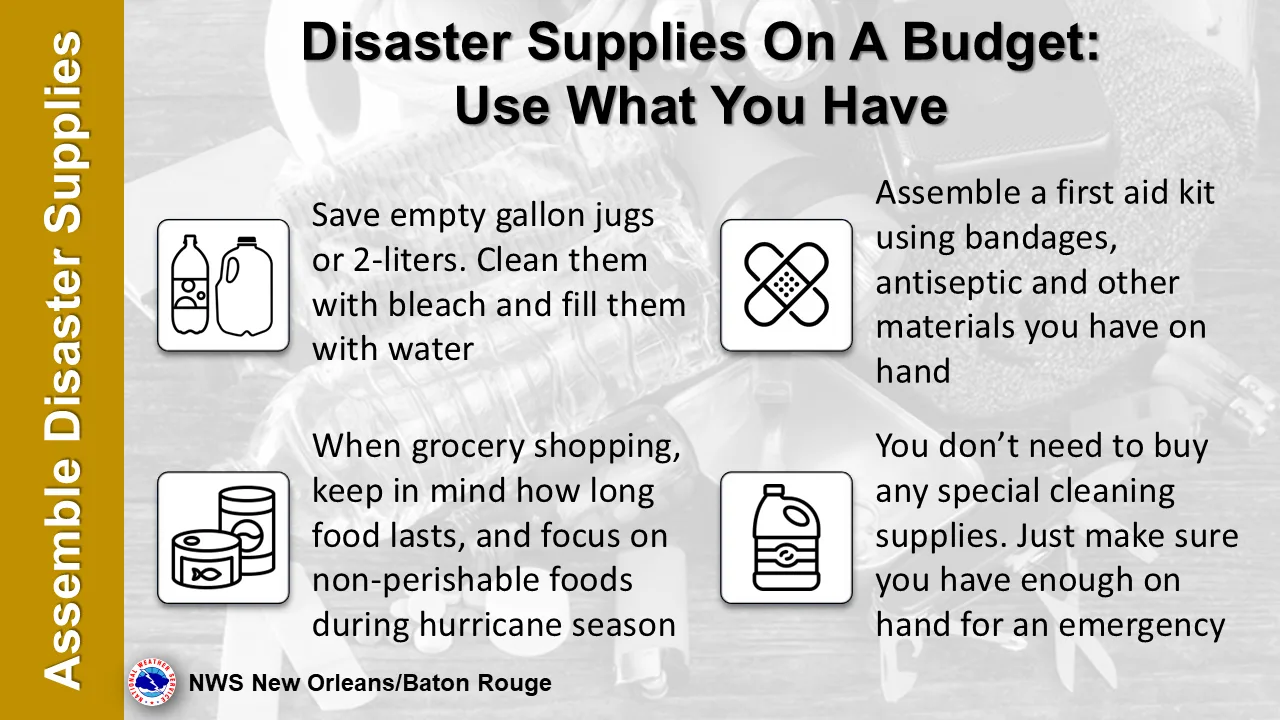
It’s recommended that you have a least a 30-day supply of prescriptions, if possible, and to keep those medicines in their originally labeled containers. It’s also a good idea to go ahead and put those medication bottles in a plastic bag, just in case.
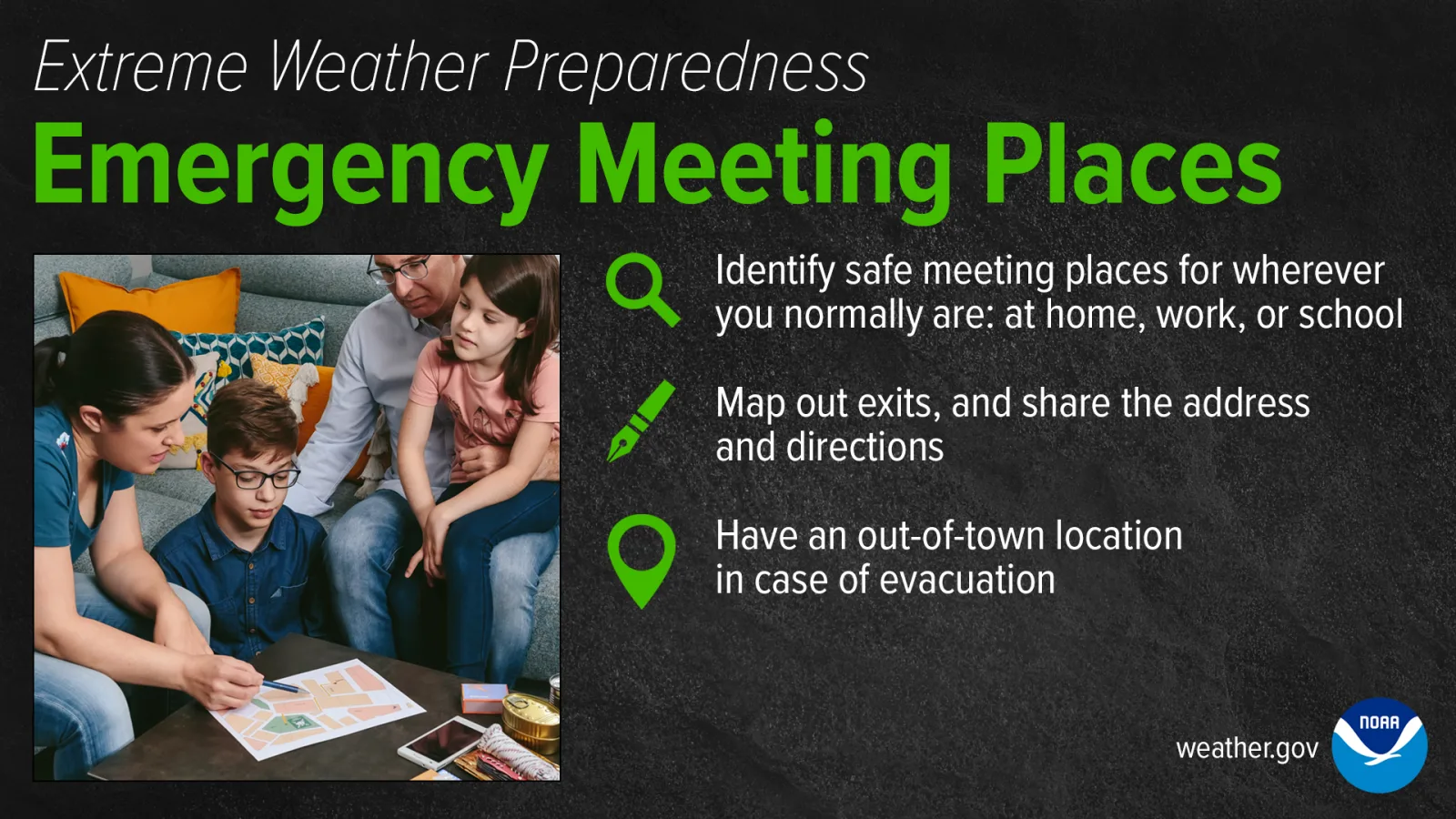
And keep your medications together in the same place. If you need to evacuate before or during a storm, you don’t want to have to hunt for them.



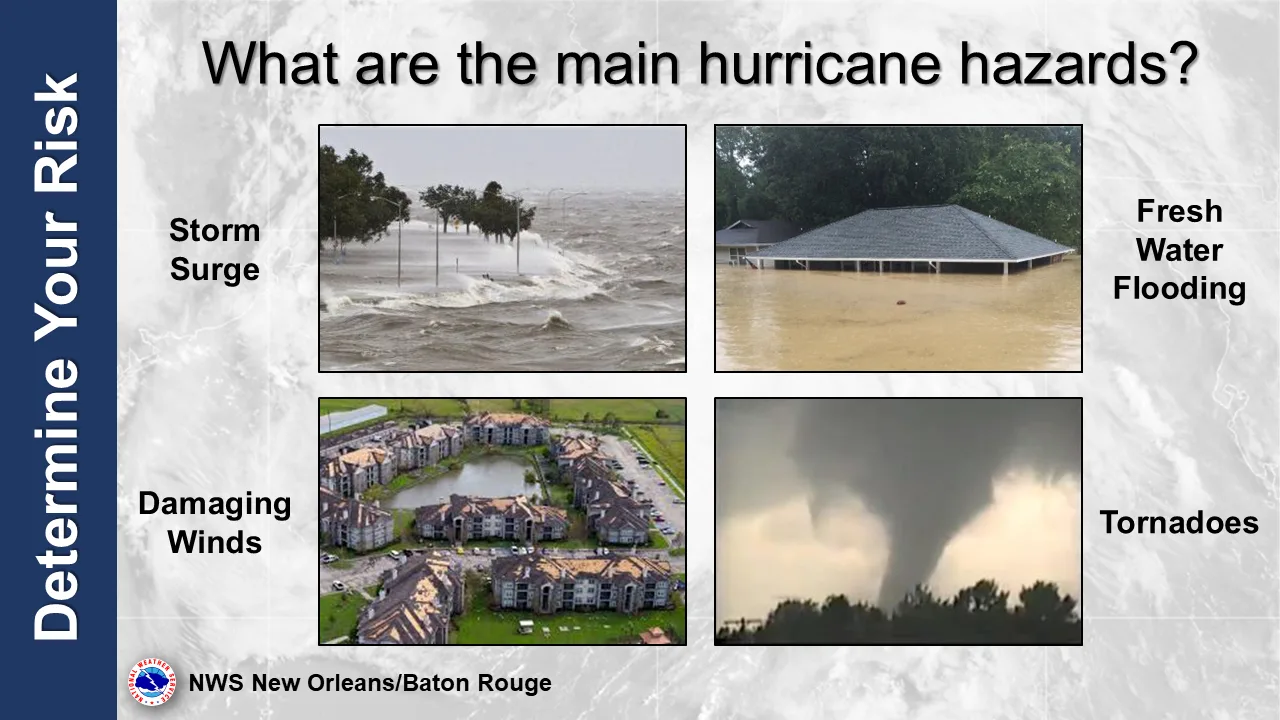
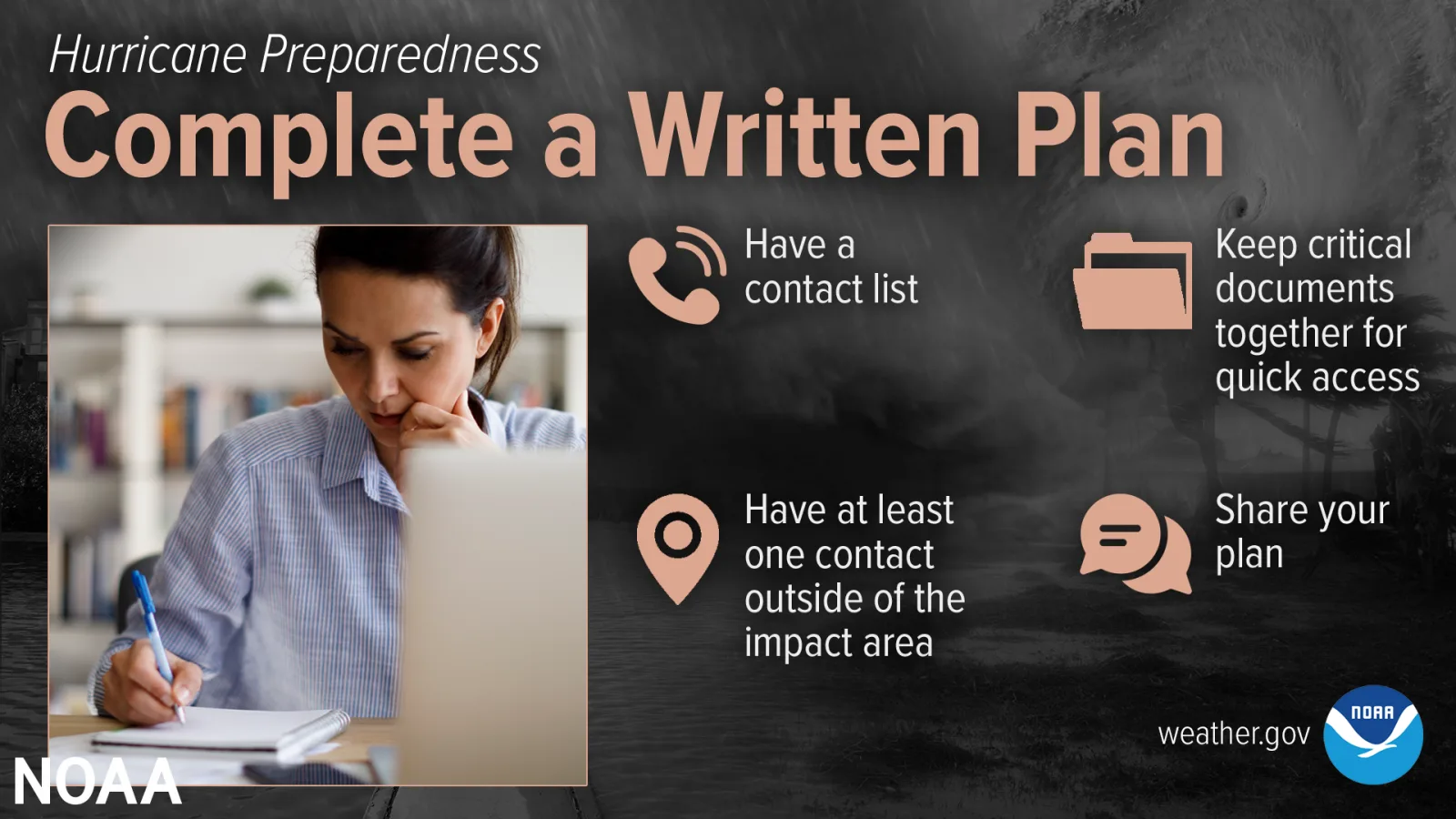

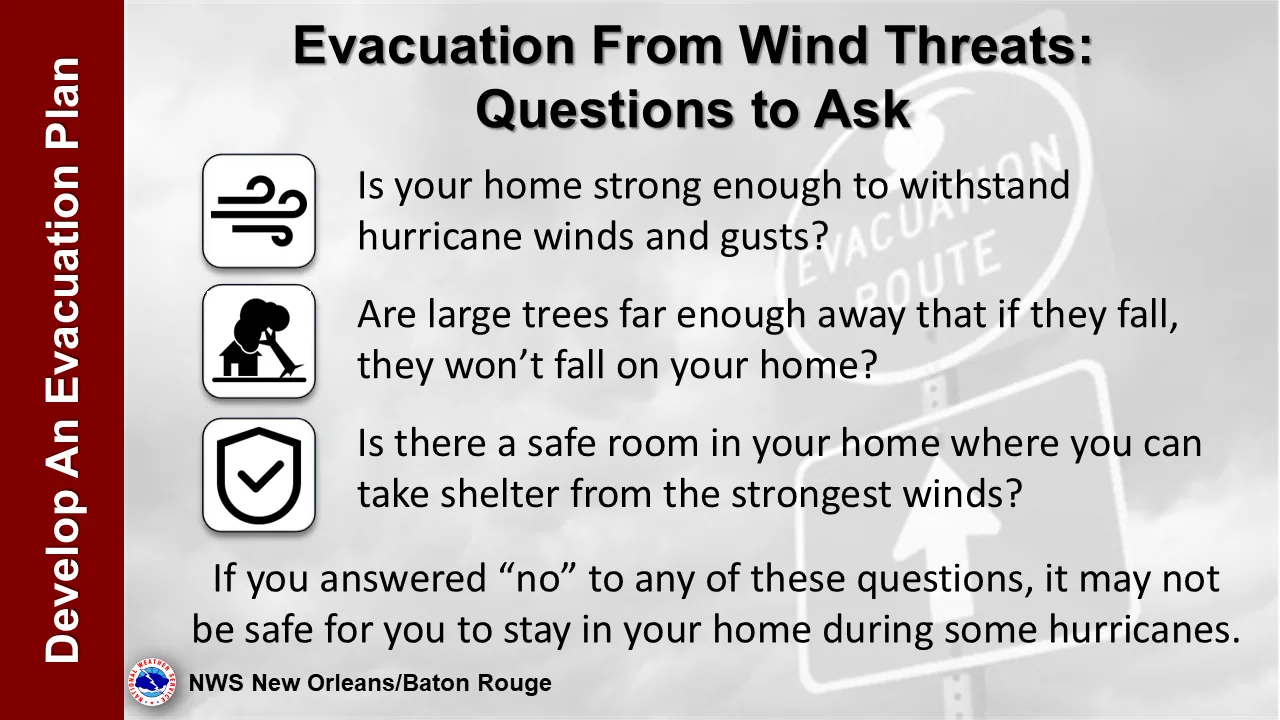
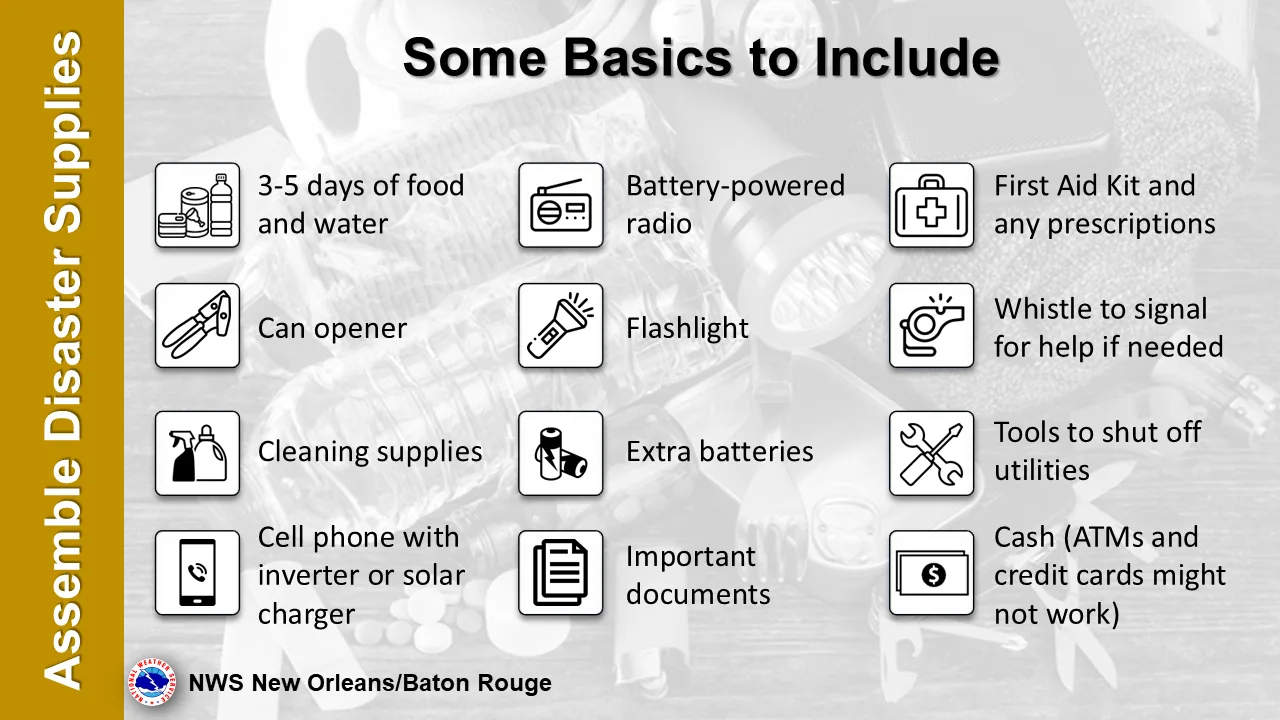

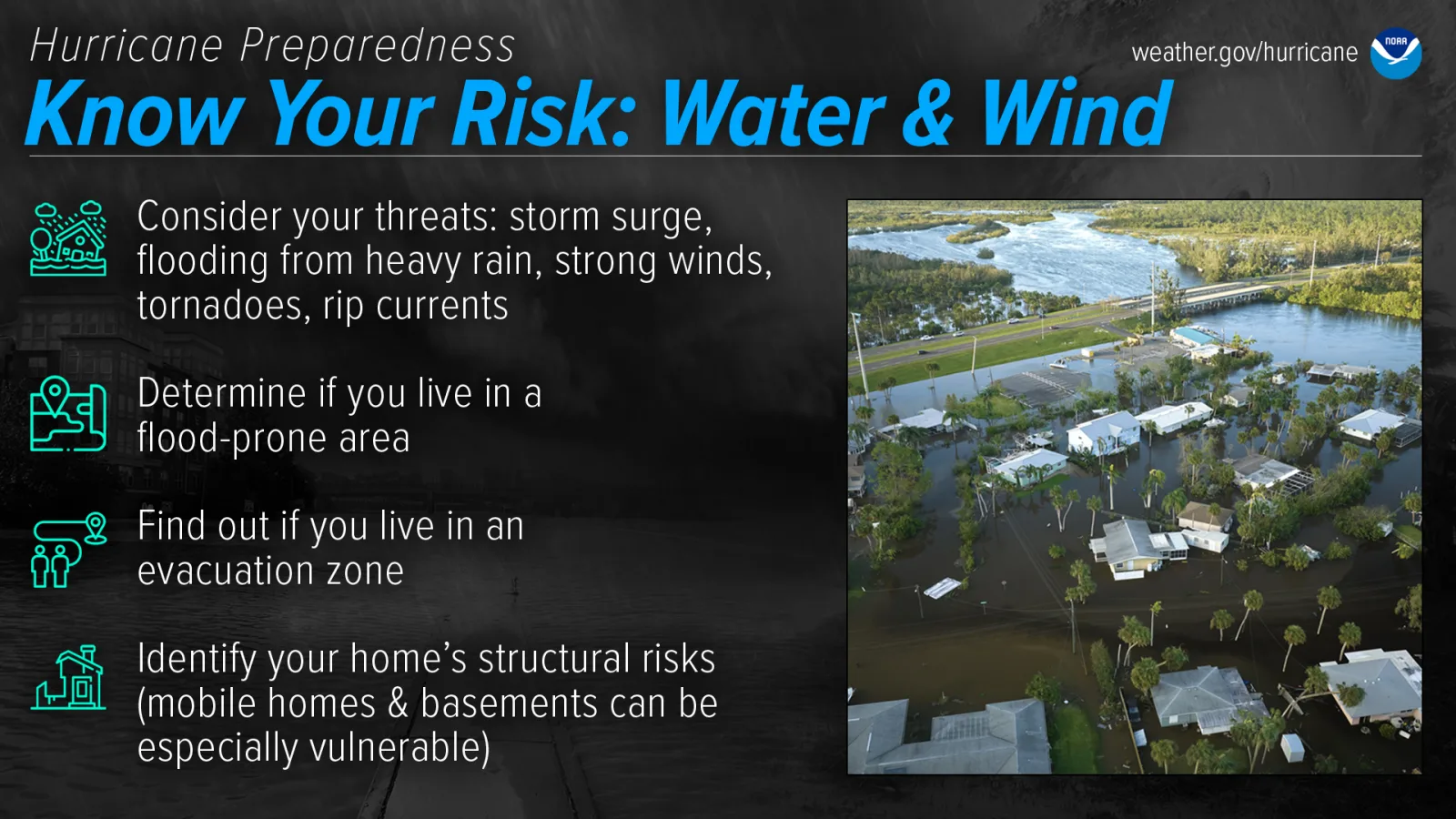
Other general hurricane safety reminders
Here are a few other things to remember:
- Don’t rush back into damaged buildings. Wait for officials to declare your home or workplace structurally safe before re-entering. Hidden damage can pose serious risks.
- Assume standing water is contaminated. Floodwater can contain sewage, chemicals, and bacteria. Avoid wading through it, and wash thoroughly if you come into contact with it.
- Watch for mold — it starts fast. Mold can begin growing within 24–48 hours of water damage. Dry out wet materials quickly and wear an N95 mask when cleaning affected areas.
- Don’t drink tap water until it’s cleared. Follow local boil-water advisories carefully. When in doubt, use bottled water for drinking, cooking, and brushing teeth.
- Use generators safely — keep them outside. Carbon monoxide from generators kills quickly and silently. Never run one indoors, in a garage, or near open windows.
- Chainsaws are not for amateurs. Don’t wait until after a storm to learn to use your chainsaw. Get instructions beforehand, don’t be afraid to ask for help — or just wait until a professional can get the job done.
- Check on neighbors, especially older adults and those with disabilities. Heat, stress, and disruption hit vulnerable community members hardest. A knock on the door can save a life.
- Protect your mental health — stress is a real health risk. Anxiety, sleep disruption, and grief after a disaster are normal. Reach out to a behavioral health provider if you’re struggling.
- Watch children closely around debris and water. Curiosity and storm damage are a dangerous combination. Keep kids away from downed lines, damaged structures, and standing water.
- Treat all wounds — even minor ones — seriously. Cuts from debris exposed to floodwater can become infected quickly. Clean wounds thoroughly and seek care if there’s any sign of infection.
- Don’t ignore chest pain, dizziness, or difficulty breathing. Physical exertion during cleanup, heat, and stress can trigger cardiac events. If something feels wrong, get medical help immediately.
- Know where to get care if your regular clinic is affected. Community Health Northwest Florida is here for you — visit HealthcareWithinReach.org or call us to find the nearest open location and get the care you need.